Transcript
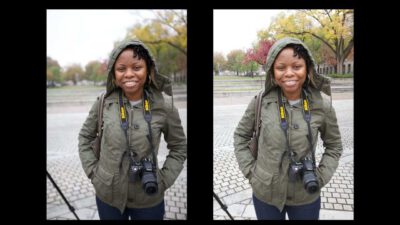
Someone once told me that filters are cheating. Filters in photography are not cheating; they’re just a tool like your camera to hep take better photographs. There are three filters I want to talk about today. The first one, probably the most common, in the circular polarizing filter. The circular polarizing filter screws onto the front of your lens and allows you to change the polarity of light. When asked what the polarizing filter does, most people would answer “It makes the sky darker.” It does, but it also makes the ground darker as well. It’s not the reason you use it.
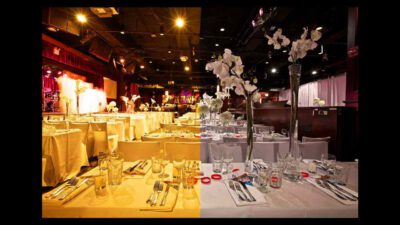
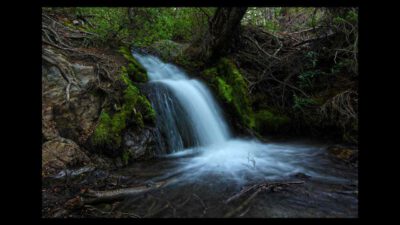
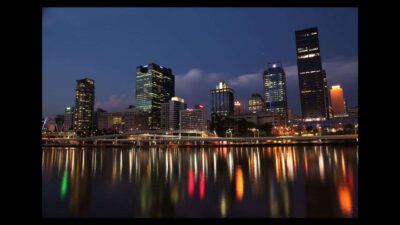
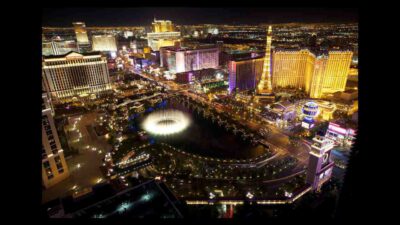
The polarizing filter is used to change the polarity of light. It can make surfaces more reflective or see-through. For example, a window can be either using a polarizing filter. Blues become more vibrant, the water can become more reflective or see-through, and skies and grass also becomes much better for landscape photography. The second filter I want to talk about is the variable ND filter. Like the circular polarizer, it screws on the front of the lens, and by switching it, it allows me to change how much light is entering my camera at any time of day. That allows me to pick what shutter speed I want to shoot with, rather than the shutter speed being determined by the brightness of the light. The filter I use the most is the graduated ND filter. this filter starts off dark at the top and works its way to clear at the bottom.
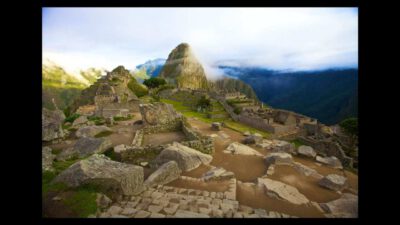
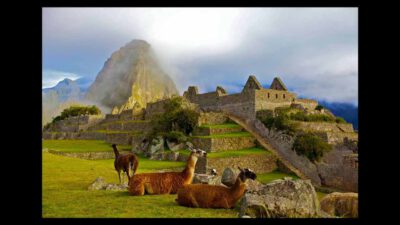
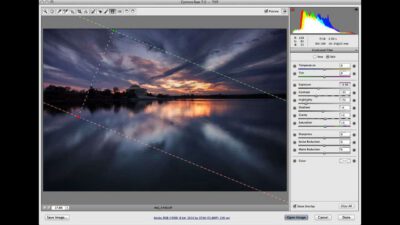
By placing it in front of the camera, I can even the exposure of the sky to the ground, which means I get a more effective landscape. You don’t have to hold the graduated filter in front for the entire time; you can screw on a bracket, slide the bracket in and this filter will sit there comfortably in front of your camera so you are always getting that nicely-exposed sky. I prefer not to use the bracket myself, as it does tend to create a bit of a tunnel and therefore a vignette in the photograph. To see how well one of these works, have a look at the screen and we’re going to put a digital graduated filter on a landscape so we can see how it effects the photograph. So what I’m doing now is drawing a graduated ND filter in front of my photograph and using that to control exactly what’s going on just from where the filter lands.
So you can see from having absolutely bright sky and an even foreground, I can measure my sky to the foreground and have a nice easy exposure. So these three filters – the circular polarizer, the variable ND and the graduated ND filter – are the three filters I never leave home without.