• Skip to main content
  • Skip to header right navigation
  • Skip to site footer
Howcast

Howcast

The best source for fun, free, and useful how-to videos and guides.

  • Arts & Crafts
  • Entertainment
  • Food & Drink
  • Health
  • Home & Garden
  • Relationships
  • Explore Guides
  • Contact
  • About
  • FAQs
  • Explore Guides
  • Arts & Crafts
  • Entertainment
  • Food & Drink
  • Health & Wellness
  • Love & Relationships
  • Home & Garden
Arts & CraftsHow to Take Better Photos

Quick & Easy Event Lighting

Transcript

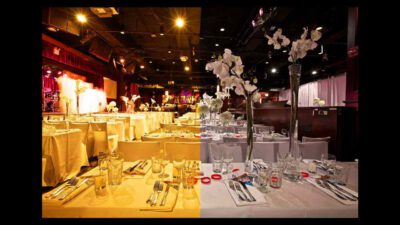
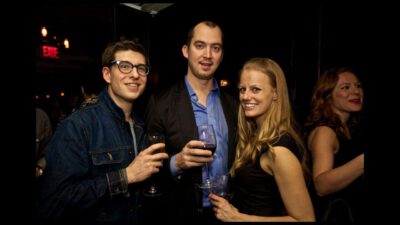
When shading an event, it’s really important that we do light the people we’re photographing correctly. While most cameras these days come with a flash, you’ve got to keep in mind that the in-built flash on your camera has a range of maybe four to five feet. It’s not really going to power the lighting for your subjects correctly. Using a speed light, or an external flash, which we can clip on to our camera, allows us to get a lot easier lighting of our image.

It’s important, though, not to fire the flash directly at the subject, you’re going to get very, very, harsh light and it’s going to contrast horribly, very bright subject, very dark background. I like to do two things, take my ISL up to about 800 for the purposes of the photograph, and I want to redirect my flash. If I have an assistant shooting with me, I’ll use something like a reflector. These are very, very simple, and allow me to direct the flash directly on to my subject for a softer light. Quite often though, I’m not going to have an assistant with me when photographing an event.

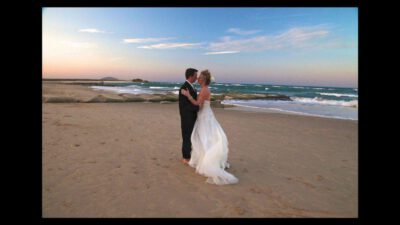
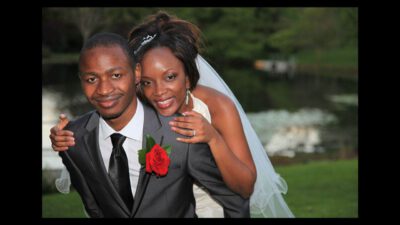
You can direct that flash off the ceiling, you can direct that flash off another wall,or you can even direct it off your own shirt, assuming you’re wearing a white shirt, not a clack one. Like I said, it is very important that you don’t direct the light directly at the subject, especially with something like a wedding where the bride’s wearing white. Most wedding dresses have a lot of detail, and firing the flash directly on to a wedding dress is going to blow it out and lose all the detail. With very, very, very simple technique, and redirecting your light, you’re sure to get fantastic light at the next event you photograph.
Lessons in this Guide

Photography Lessons with Luke Ballard

How to Take Green Screen Photos

What to Look for When Buying a Camera

How to Understand Different Camera Lenses

How to Take Shots for a Photo Series

3 Fun Ways to Improve Night Photography

3 Tips for Photographing Pets

How to Take Better Photos of Kids

How to Take Photos of a Mother with Her Newborn

How to Tell a Story in a Portrait

How to Use Your Phone as a Camera

How to Take Better Selfies

How Filters Affect Your Photography

How to Control White Balance & Master Color

How to Find a Macro Photo Subject

How to Instagram Better Food Photos

Top 3 Shutter Speed Secrets

How to Blur & Not Blur in Sports & Action Photography

Best Aperture for Sports / Action Photography

Top Tip for Better Travel Photos

Emphasizing Foreground in Landscapes

Using Reflections in Landscape Photos

Featuring People in Landscape Photography

Best Aperture for Landscape Photography

3 Wedding Photography Background Tips

How to Pose One, Two, Three & More People for Photos

6 Tips for Photographing Large Groups of People

How to Style & Pose a Glamour Model

Best Aperture for Portrait Photography

Quick & Easy Event Lighting

How to Take Candids at a Party or Event

How to Digitally Process a RAW Negative

How to Manually Expose Your Aperture

How to Manually Expose Your Shutter Speed

How to Manually Expose Your ISO

What Is the Rule of Thirds in Photography?

Copyright © 2026 · Howcast · All Rights Reserved · Powered by BizBudding Ventures with Springwire.ai

Privacy Manager